Red Wasp
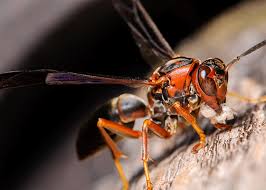
The red wasps is one of the most familiar yet wrongly interpreted flying insects in North America. With a reddish-brown body and long wings, in the ecosystem, this wasp acts as a vital aid both for pollination and as a predator of pests in the garden. In appearance, this wasp may look menacing, but it is mostly harmless unless provoked, especially if near their nests.
Spotting a Red Wasp? Here’s What They Look Like
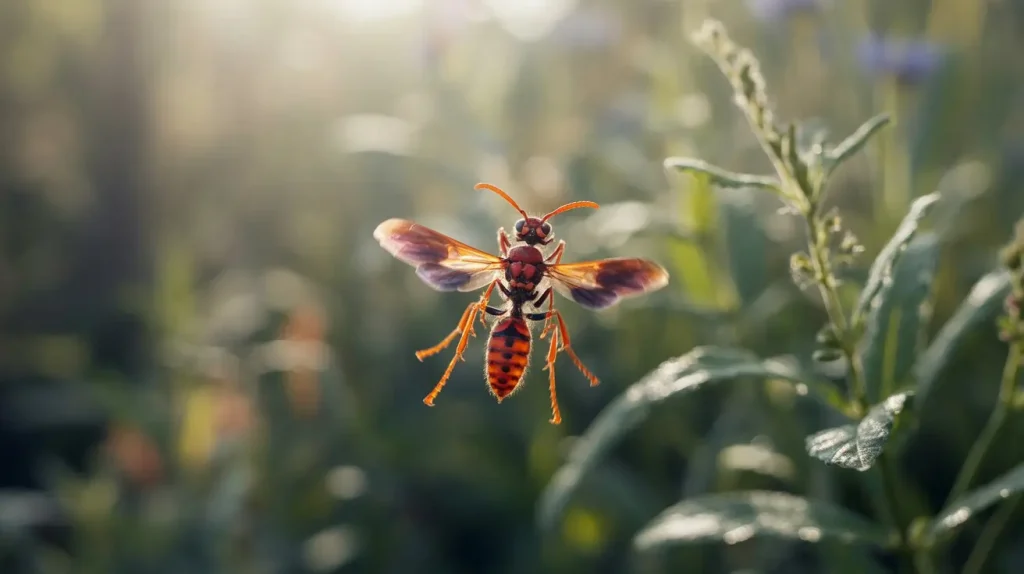
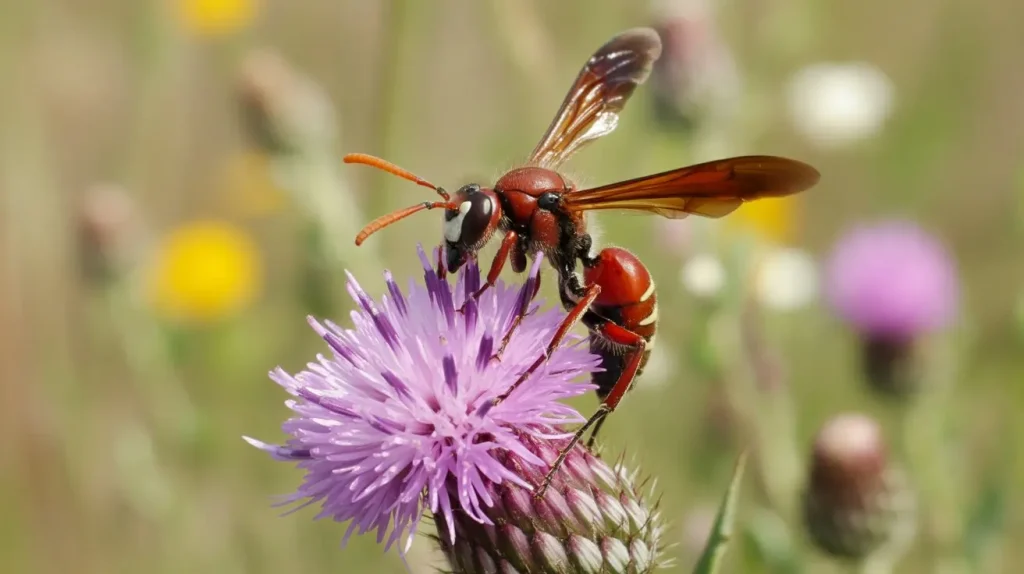
They’re not hard to recognize. Red wasps are big — usually an inch long — and their rusty red color stands out like fire. Some might have black bits around the head or thorax, but most are solid reddish-brown. Their wings are darker and kind of smoky, and yeah, their legs dangle while they fly. (Not the most graceful look.)
They’re especially common in warmer southern states like Texas, Georgia, Florida, and Alabama. Basically, if it’s hot, there’s a chance you’ve seen one zipping past your porch light.
Where They Nest (And Why It Always Feels Like It’s Right Above Your Head)
Red wasps are low-key nest architects. They build their papery little fortresses in dry, shady spots — porch ceilings, roof corners, sheds, and inside garages are top picks. Their nests look like a tiny gray umbrella flipped inside out, with open hexagon holes where baby wasps grow up.
No wax, no walls — everything’s right out in the open. And yep, that means they can see you as clearly as you can see them.
Catch the nest early in spring? It’s way easier to remove. Leave it too long? You’re basically living next door to a mini red army.
Do They Sting? Oh, You Bet.
Red wasps do sting — and they don’t mess around. They’re super protective of their nest, and if you get too close, they’ll let you know real fast. Unlike honeybees, they don’t lose their stinger, so they can hit you more than once if they’re feeling spicy.
If you’re not allergic, the sting hurts but passes — swelling, some burning, the usual. But if you are allergic? It can go from “ouch” to “call 911” fast. That’s why it’s never a great idea to poke around a red wasp nest unless you know what you’re doing.
Are Red Wasps Out to Get You?
Not really. Red wasps don’t go around looking for humans to attack. But if you swat at them, wave your arms, or get too curious around their nest — they will defend it. They can be aggressive when provoked, and yep, they do chase.
Most of the time though? They’re just busy hunting bugs and feeding their babies. If you leave them alone, chances are they’ll do the same for you.
Are They Dangerous?
Honestly, they can be. Not because they’re evil — but because their sting can be serious depending on the person and the situation.
Here’s when it gets risky:
- Someone has a wasp allergy (which many don’t know until it happens)
- You’re stung multiple times
- A kid or pet gets too close and can’t explain what’s wrong
One red wasp is manageable. A whole nest under your patio fan? That’s another story.
Do Red Wasps Actually Do Anything Good?
Surprisingly — yes. Red wasps are like the pest-control squad nature forgot to give uniforms. They hunt caterpillars, beetles, flies, and other bugs that mess with gardens or crops. So even though they’re not winning any popularity contests, they are helpful.
If they’ve made a home in some far-off tree or an empty barn? You might want to just let them be. They’re doing their job out there — and saving you from other bugs in the process.
Got a Nest Too Close for Comfort? Here’s What to Do
If a red wasp nest is right over your grill, above your front door, or near your kids’ play area, then yeah — it’s time to act. But no, don’t grab a broom and start swinging. That’s asking for trouble.
Your best bet? Take care of it early morning or late evening when they’re slow and mostly in the nest. Hardware store sprays can work for small nests, but for anything big? Call in a pro.
Better safe than spending your weekend dodging wasps.
Want more in-depth help? Texas A&M’s Extension Office has a great guide on handling these situations without panic.
Red Paper Wasp
The red paper wasp is a species of the paper wasp family, which is easily identified by its paper-like nest structure, often hanging under eaves or in trees. These wasps are social insects, collaboratively working within colonies to protect their nest. Slender red bodies and black-tipped wings distinguish them from their relatives, and though their sting is extremely painful, they very seldom sting unless defending themselves.
Little Red Wasp
The little red wasp sounds less threatening, yet the name is deceiving. These smaller red wasps are quick and agile, equally capable of mounting a defense of their territory. Often mistaken for juveniles, they can still sting; and when provoked, they will. But, as with most wasps, they act as beneficials by keeping pest insects in check.
Red Wasp Sting
Its sting is known to be sharp and very painful. It causes swelling, redness, and a burning sensation, which can last for hours. Most people recover quickly, but those who are allergic should be cautious because a sting could result in severe reactions. Avoid sudden movements, and don’t swat at red wasps if they are nearby.
Red Wasp Texas
Its Texas population here is significantly large owing to warm climatic conditions and an ample supply of nesting spots. These type of wasps thrive in Texan gardens, barns, and wide-open spaces. Texans see them most in late spring and summer, particularly around flowering plants and water sources.
Little Red Wasp Fort Worth
If you’re in North Texas, you have surely seen little red wasps that Fort Worth residents frequently report during the warmer months. These wasps are common in suburban areas where landscaping and flowerbeds attract them. Smaller though just as big in hunting for caterpillars and other insects as other wasps are.
Hex Wasp Red Dot
The term hex wasp red dot may reference either visual markings or taxon-related identifiers on some wasps. Some possess a small red or dark dot on their thorax or abdomen, helping entomologists to identify species more accurately. The term is not particularly attached to any one species but is sometimes used by enthusiasts or within hobbyist discussions.